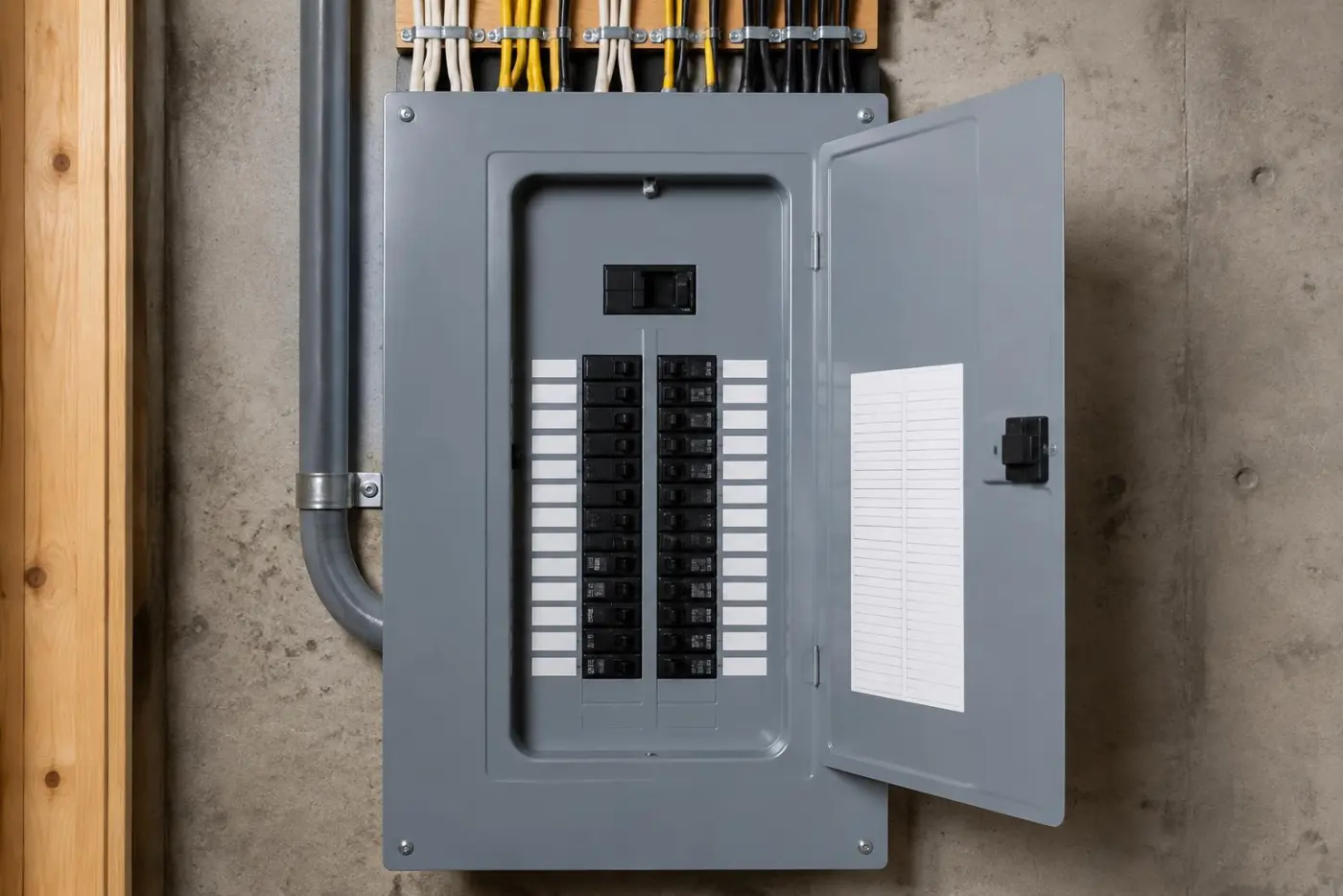
If your home was built before the 1980s, there's a good chance its electrical panel was sized for a very different life. Here are the signs we see most often in Delaware County homes — and what they mean.
1. You still have a fuse box
Fuses aren't automatically dangerous, but fuse boxes are usually 60 amps or less, and they're easy to "fix" incorrectly by installing a larger fuse than the wire can handle. Many insurers also charge more, or decline coverage, for homes with fuse panels.
2. Breakers trip regularly
An occasional trip is the breaker doing its job. Frequent trips — especially on the same circuit — mean the circuit is overloaded, a device is faulty, or a breaker is wearing out.
3. Lights dim when big appliances start
A short dip when the AC compressor kicks on is common. Significant dimming, or flicker that lasts, can point to an undersized service, a loose connection, or a problem on the utility side.
4. There's no room for new breakers
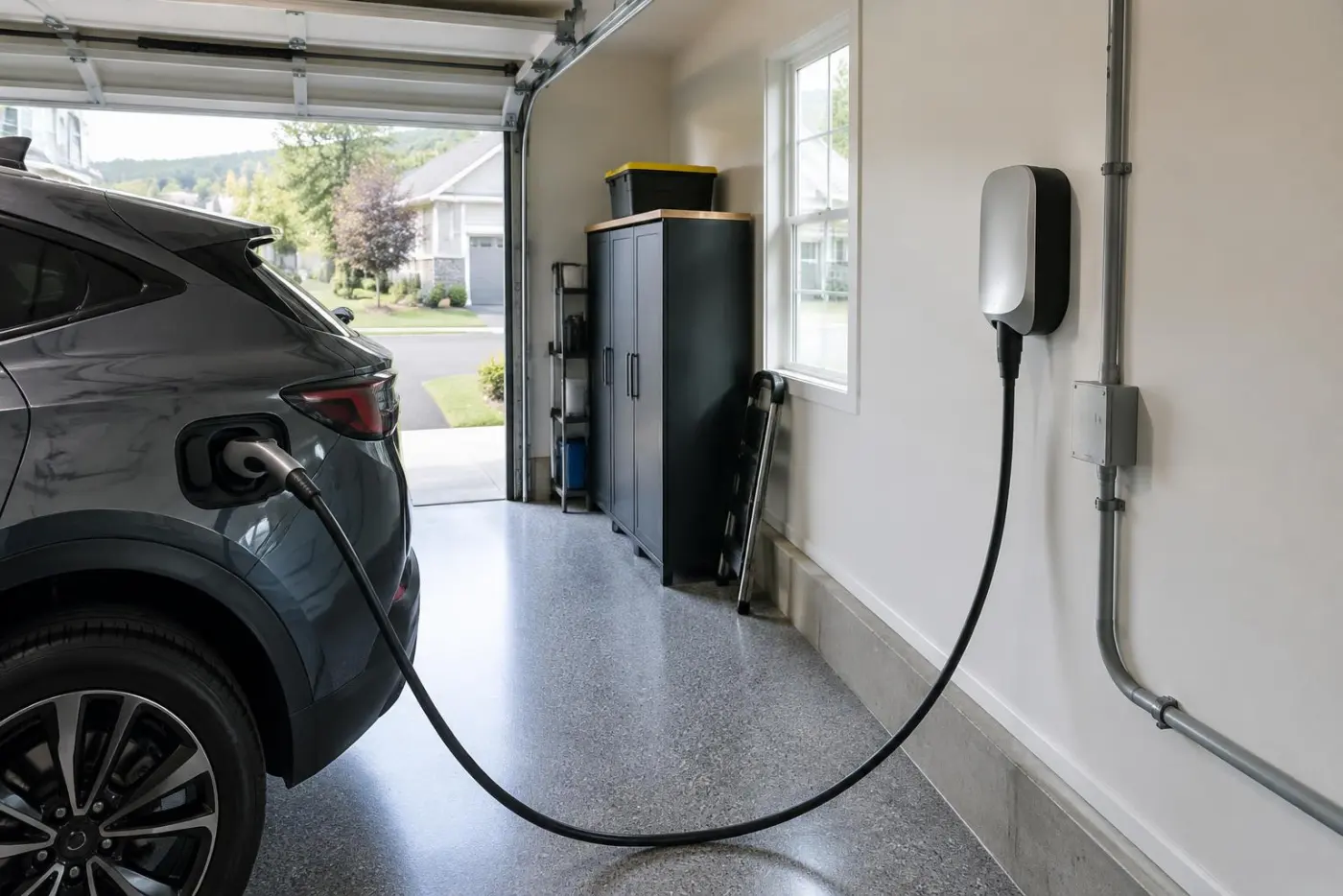
If your electrician has to use tandem breakers everywhere, or there's simply no space left, adding circuits for a kitchen remodel, EV charger or heat pump will mean a new panel or a sub-panel.
5. The panel is warm, buzzing or rusty
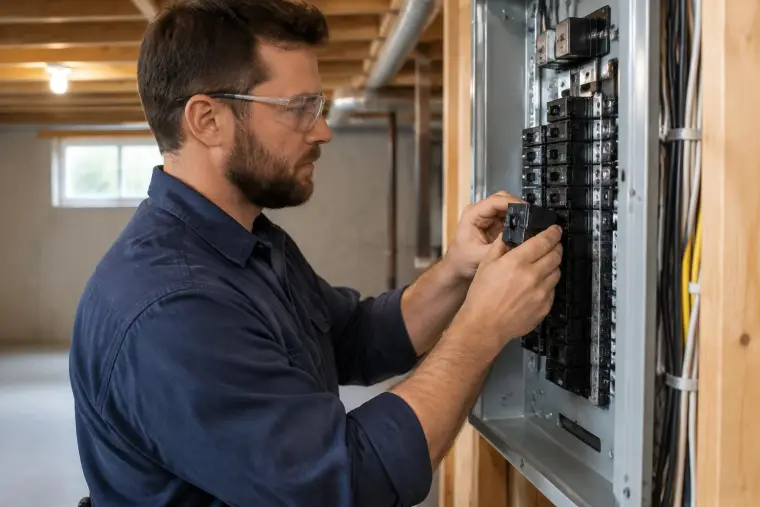
Panels shouldn't be noticeably warm or make noise. Rust or water stains inside the panel are a red flag. Turn off nothing yourself — call an electrician to look.
6. You're adding major electric loads
Central air, a heat pump, an induction range, a hot tub or an EV charger can each add a large load. A load calculation tells you whether your existing service can handle it.
7. A home inspector or insurer flagged it
Certain older panel brands and models are frequently flagged in inspections. If your report mentions your panel, get a licensed electrician's opinion before settlement.
Not sure where your panel stands? Learn about our panel upgrades or request an estimate.
This article is general information, not a substitute for an on-site assessment by a qualified electrician. See our disclaimer.