Between summer thunderstorms, hurricane remnants and winter nor'easters, outages are a fact of life in southeastern Pennsylvania. A little preparation goes a long way.
Decide what has to keep running
Make a short list: refrigerator, sump pump, furnace blower or boiler, a few lights, internet router, and any medical equipment. That list determines what size generator and transfer switch you need.
Connect a generator safely
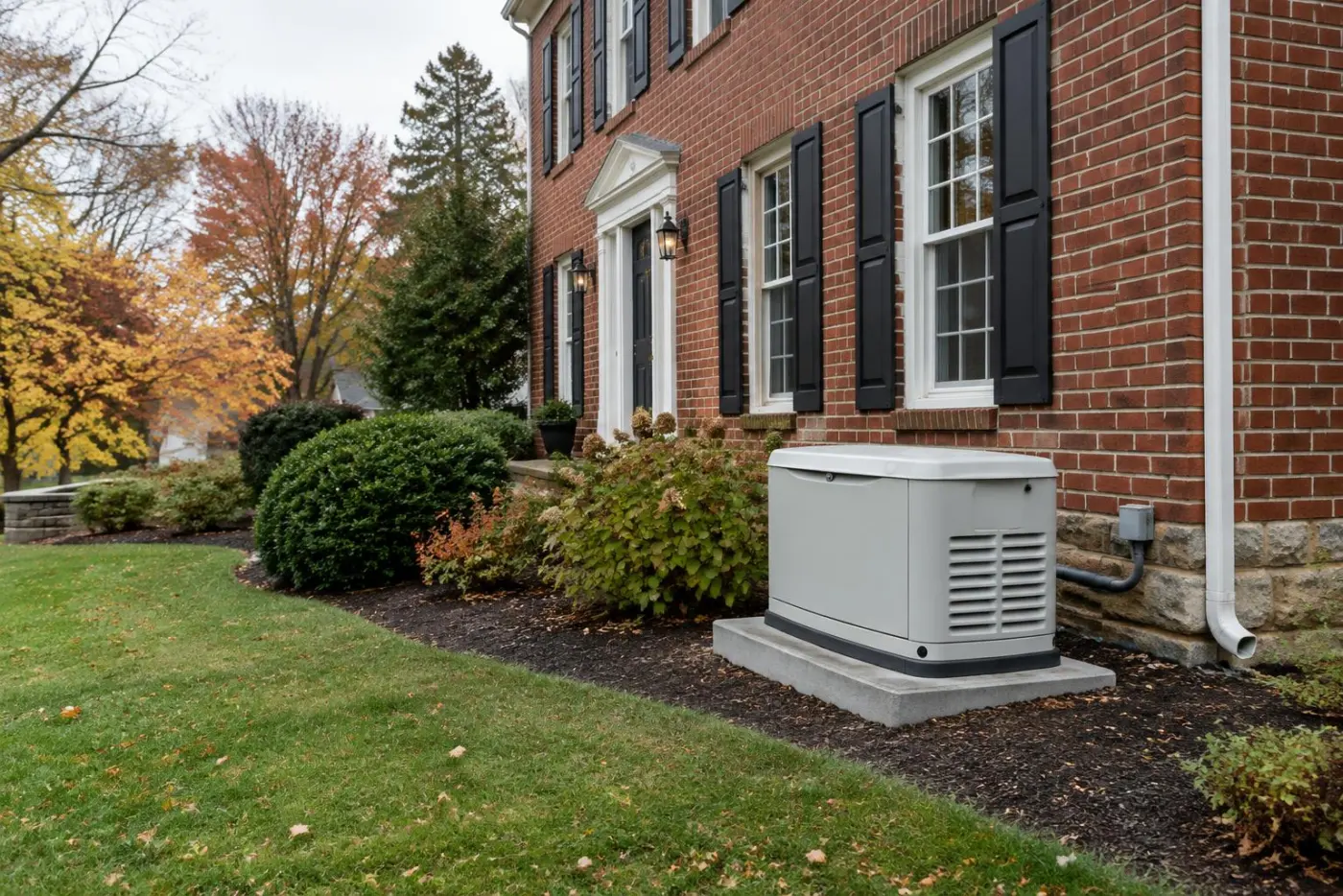
Never back-feed a generator through a dryer or range outlet. It can energize utility lines and seriously injure line workers. A transfer switch or a panel interlock with an exterior inlet is the safe way to connect.
Protect the basement
If you have a sump pump, consider a battery backup and make sure the pump is on a circuit your generator will power.
Add surge protection
Power often returns with spikes. A whole-home surge protector at the panel protects appliances and electronics that plug-in strips don't.
Keep a basic kit
- Flashlights and spare batteries
- A charged power bank for phones
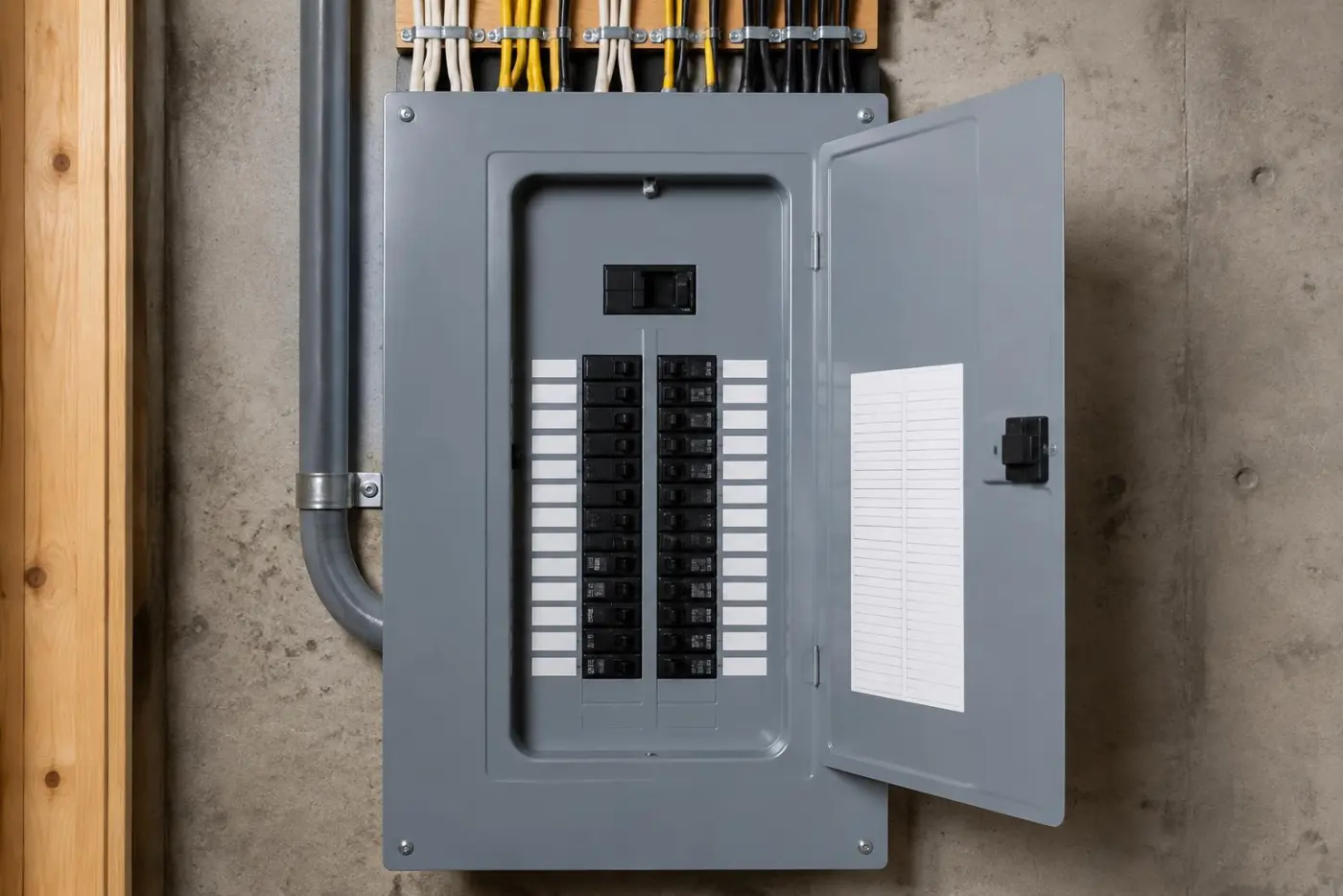
- Your panel's circuit directory, printed
- PECO's outage reporting number saved in your phone
Learn about generator and transfer switch installation.
This article is general information, not a substitute for an on-site assessment by a qualified electrician. See our disclaimer.